

Havells wires and cables are widely used in residential, commercial, and industrial electrical installations in India. Choosing genuine electrical wire is important because the quality of its conductor and insulation directly affects electrical safety, durability, and performance. Counterfeit or substandard wires may have misleading labels, inadequate conductor sizes, or insulation that does not meet the required specifications.
If you are planning to purchase Havells wire for your home, office, or construction project, learning how to check whether it is original can help you make a safer choice. By examining the packaging, printed markings, certification details, and seller information, you can identify potential warning signs before installation.
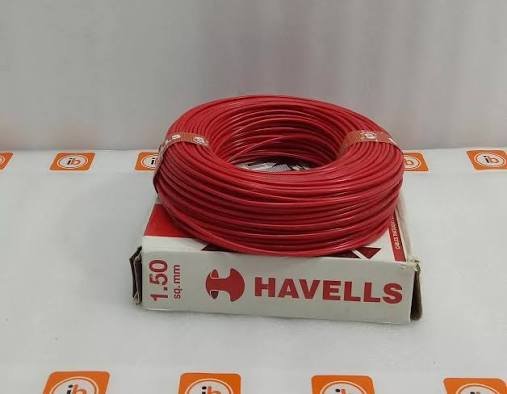
Check the Havells Logo and Packaging
Start by examining the wire coil, bundle, or packaging. Look for the Havells brand name, logo, product identification, and specifications. The printing should be clear and consistent with the particular product range.
Watch for warning signs such as:
- Blurry printing, spelling mistakes, or an incorrectly reproduced logo.
- Damaged packaging or suspiciously altered labels.
- Missing information about wire size, voltage rating, or product type.
- Inconsistent details between the packaging and the wire itself.
Compare the packaging with current product information on Havells’ official website. However, packaging designs can change over time, and different wire ranges may have different labels. A visual difference alone does not prove that a wire is counterfeit.
Inspect the Printing on the Wire
Electrical wires often carry identifying markings printed along the insulation. Depending on the product, these may include the brand name, conductor size, voltage rating, applicable standard, and other technical information.
Check whether the printing is legible and matches the details on the packaging. Be cautious if the markings appear altered, incomplete, or inconsistent with the product being advertised.
Keep in mind that counterfeit products can imitate genuine markings. Clear printing is useful evidence, but it cannot independently confirm authenticity. If you have concerns, ask Havells or an authorised distributor to help verify the product details.
Verify the Wire Size and Specifications
Before purchasing, confirm that the wire specifications suit your electrical installation. Important details include the conductor’s cross-sectional area, insulation type, voltage rating, and intended application.
Do not judge wire quality by its outside thickness alone. A thick-looking wire may still contain an undersized conductor or unsuitable insulation. Visual inspection cannot reliably establish the conductor’s actual dimensions or electrical performance.
Ask the seller for the product’s technical specifications and consult a qualified electrician to select the correct wire size based on the electrical load, installation conditions, and applicable safety requirements.
Check Applicable ISI and BIS Certification Details
Where the wire is required or represented to comply with an Indian Standard, examine the relevant certification markings and licence information.
You can use the official Bureau of Indian Standards (BIS) website at https://www.bis.gov.in/ to check applicable certification details. Confirm that the licence information corresponds to the manufacturer and relevant product category.
Do not rely solely on an ISI logo printed on the package. Counterfeit products may copy certification marks, so independent verification is important. Certification requirements can vary according to the type of wire and the applicable regulations.
Buy From an Authorised Havells Dealer
Purchasing from a trusted source is one of the most practical ways to reduce the risk of buying counterfeit wire. Prefer authorised Havells dealers, established electrical suppliers, or reputable retailers that provide proper invoices.
Be cautious if the price is significantly lower than the usual market rate, the seller refuses to issue an invoice, or the product’s source cannot be explained. Discounts can be legitimate, but unusually low prices combined with missing documentation deserve further investigation.
For product information and customer-support options, visit the official Havells website at https://www.havells.com/. If you suspect a counterfeit product, contact the company through official channels and provide photographs of the packaging, printed markings, and invoice.
Avoid Unsafe Home Testing Methods
Do not burn wire insulation, connect questionable wire directly to an electrical supply, or deliberately overload it to test its quality. These methods can cause electric shock, fire, or harmful fumes.
If authenticity or electrical performance remains uncertain, ask a qualified electrician or an appropriate testing laboratory to assess the product. Do not install suspicious wire until its suitability has been established.
Final Thoughts
Checking original Havells wire requires more than looking at its logo or insulation colour. Examine the printed specifications, verify applicable certification details, and purchase from a reputable supplier. Because electrical wires are essential for building safety, consult a qualified electrician whenever the product’s authenticity or suitability is uncertain.
Frequently Asked Questions (FAQs)
Q. How can I check whether Havells wire is original?
Inspect the packaging, printed markings, product specifications, and applicable certification details. Purchase from a trusted dealer and contact Havells if you need additional verification.
Q. Does the Havells logo prove that the wire is genuine?
No. Logos and labels can be copied. Check multiple details and verify the product through official channels.
Q. Can I identify original Havells wire by its thickness?
No. External thickness alone cannot confirm the conductor’s actual size or material. Review the specifications and consult a qualified electrician.
Q. Does an ISI mark guarantee that Havells wire is original?
Not by itself. Where applicable, verify the relevant BIS licence information independently and confirm that it matches the product and manufacturer.
Q. What should I do if I suspect Havells wire is counterfeit?
Avoid installing it until it has been verified. Keep the packaging and invoice, photograph the markings, and contact Havells or the relevant certification authority for guidance.