
Himalayan shilajit is a naturally occurring, mineral-rich substance formed over long periods from organic material in mountainous regions. It is commonly sold as a resin, powder, or capsule and is used in traditional wellness practices. However, products marketed as Himalayan shilajit can vary considerably in composition, purity, processing, and quality.
Some products may contain fillers, undeclared ingredients, or contaminants, including heavy metals. Therefore, knowing how to check original Himalayan shilajit is important before purchasing a supplement. Although appearance and packaging can offer clues, you cannot reliably establish purity, geographical origin, or safety through home tests alone.
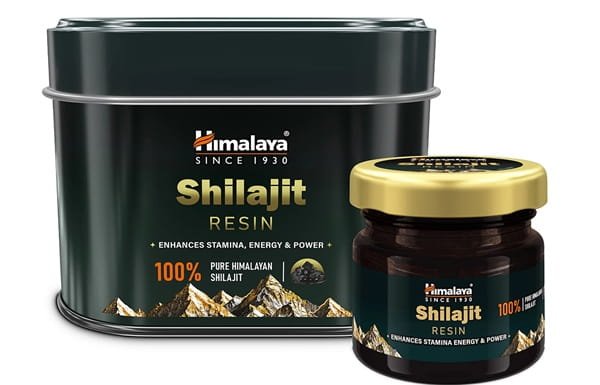
Check the Packaging and Brand Information
Start by examining the product packaging. A reputable seller should provide clear information about the product name, ingredients, net quantity, manufacturer or marketer, batch number, and applicable regulatory details.
Look for warning signs such as:
- Spelling mistakes or poorly printed labels.
- Missing manufacturer or consumer-care information.
- Broken seals or signs of tampering.
- Unclear ingredient lists or unsupported purity claims.
- Missing batch details or relevant expiry information.
Compare the packaging with information published by the brand through its official website or customer-support channels. Packaging can change, so a difference in design alone does not prove that a product is fake.
Verify the Manufacturer and Seller
Purchase shilajit from a reputable manufacturer, established retailer, or trusted pharmacy where appropriate. Check the seller’s identity, business information, return policy, and customer feedback.
Be cautious when buying from unknown social media accounts or websites that offer unusually low prices or make extraordinary claims about the product. Statements such as “100% pure,” “the strongest shilajit,” or “guaranteed results” are not independent evidence of authenticity.
If the product is sold in India as an Ayurvedic or other regulated health product, review the applicable licence and labelling information. You can ask the manufacturer to explain its regulatory status and provide supporting documentation. A licence or registration, where applicable, should not be treated as automatic proof that every batch is pure or free from contaminants.
Look for Independent Laboratory Testing
A recent, batch-specific certificate of analysis (COA) is one of the most useful documents to request when assessing shilajit quality.
The report should identify the product or batch being tested and provide relevant results. Depending on the product and testing scope, these may include:
- Heavy metals, such as lead, arsenic, cadmium, and mercury.
- Microbiological contamination.
- Identity or composition testing.
- Other contaminants relevant to the manufacturing process.
Check the laboratory’s name, report date, sample identification, and testing methods. When possible, verify the report directly with the laboratory or confirm that the laboratory is appropriately accredited for the tests performed.
A generic certificate, an undated report, or a document that does not identify the batch offers limited reassurance. Also, testing for heavy metals alone does not establish every aspect of product authenticity or safety.
Examine the Appearance of Shilajit Resin
If you purchase shilajit resin, observe its appearance and consistency without treating them as proof of authenticity. Genuine shilajit resin can vary in colour, texture, and consistency depending on its source and processing. It is often dark brown to black and may become softer when warm and firmer when cool.
However, other substances can imitate these characteristics. Colour, stickiness, smell, or texture cannot reliably distinguish authentic shilajit from adulterated products.
Avoid relying on viral home tests, such as dissolving the product in water or heating it, as definitive authentication methods. These tests cannot reliably establish purity, mineral composition, geographical origin, or the absence of harmful contaminants.
Understand the Difference Between Resin, Powder, and Capsules
Himalayan shilajit is available in several forms. Resin is often marketed as minimally processed, while powders and capsules may contain processed shilajit or additional ingredients.
None of these forms is automatically more authentic or safer than the others. Check the ingredient list, recommended serving, processing information, and laboratory documentation for the exact product.
Be cautious of products that promise guaranteed improvements in testosterone, energy, fertility, or athletic performance. Marketing claims do not establish authenticity or prove that a supplement will provide those benefits.
Final Thoughts
Checking original Himalayan shilajit requires more than examining its colour, texture, or packaging. Buy from a reputable source, verify the manufacturer’s information, and request independent laboratory testing for the specific batch. Because contamination may not be visible or detectable through home tests, prioritise documented quality and safety over marketing claims when choosing a shilajit supplement.
Frequently Asked Questions (FAQs)
Q. How can I check whether Himalayan shilajit is original at home?
You can inspect the packaging, ingredients, batch details, and seller information. However, home tests cannot reliably confirm authenticity or safety. A batch-specific laboratory report offers stronger evidence.
Q. Does genuine shilajit always dissolve completely in water?
Not necessarily. Solubility can vary with the product’s composition and processing. Dissolving in water is not a reliable way to prove authenticity.
Q. Is black shilajit always original?
No. Colour alone cannot establish authenticity because other substances can have a similar appearance.
Q. Why is laboratory testing important for shilajit?
Testing can help identify the product’s composition and detect contaminants, including heavy metals. Look for a credible, batch-specific report from an appropriately qualified laboratory.
Q. Is Himalayan shilajit safe for everyone?
No. Product quality varies, and contaminated supplements may pose health risks. People who are pregnant, breastfeeding, have medical conditions, or take medicines should consult a healthcare professional before using shilajit.