
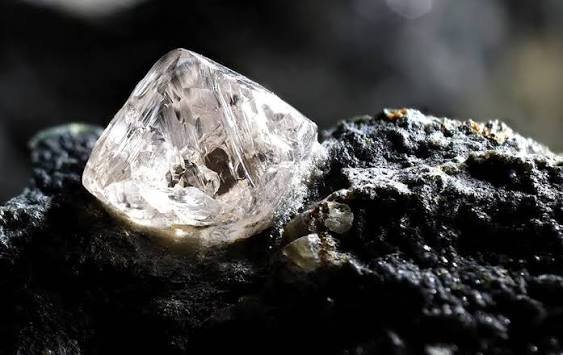
Diamonds are valuable gemstones often purchased for engagement rings, jewellery, gifts, and long-term investments. However, natural diamonds can look very similar to lab-grown diamonds and diamond imitations, such as cubic zirconia and moissanite. Knowing how to check an original diamond can help you make an informed purchase and avoid misleading claims.
Although some simple observations can provide clues, you cannot reliably confirm whether a diamond is genuine using appearance alone. The most dependable approach is to obtain proper gemological testing and verify the diamond’s grading report when available.
Check the Diamond Certification
One of the best ways to verify a diamond is to examine its grading report from a reputable gemological laboratory. Reports from organizations such as the Gemological Institute of America (GIA) describe important characteristics, including the diamond’s carat weight, colour, clarity, and cut.
Check whether the report number matches the information provided by the seller. If the diamond has a laser-inscribed report number, a qualified professional can examine it under magnification.
Remember that a grading report is not the same as a guarantee of authenticity. Verify the report through the issuing laboratory’s official website and confirm that the description matches the stone.
Examine the Diamond Under Magnification
A jeweller or gemologist can use a jeweller’s loupe or microscope to inspect the diamond’s surface and internal characteristics.
Natural diamonds may contain tiny inclusions formed during their geological development. However, not every natural diamond has visible inclusions, and lab-grown diamonds can also contain internal characteristics.
Likewise, a flawless-looking stone is not necessarily fake. The presence or absence of visible imperfections cannot conclusively establish whether a diamond is natural, lab-grown, or an imitation.
Magnification is useful for inspection, but professional testing may be needed for a reliable identification.
Check the Diamond’s Sparkle
Diamonds are known for their brilliance, fire, and scintillation. They can reflect white light and produce flashes of spectral colours when moved under suitable lighting.
However, sparkle alone cannot prove authenticity. Moissanite and other gemstones can also display strong brilliance, while the appearance of a real diamond depends on its cut, cleanliness, lighting, and setting.
Avoid relying on online videos or photographs to determine whether a diamond is genuine. Camera settings, lighting, and image editing can significantly change how a gemstone appears.
Be Careful With the Fog Test
A common home method involves breathing on a diamond to see how quickly the fog disappears. Some people believe that genuine diamonds clear quickly because they conduct heat efficiently.
Although thermal properties can help distinguish certain materials under controlled conditions, the fog test is not a dependable authentication method. Temperature, moisture, cleanliness, and the surrounding environment can affect the result.
Do not purchase or reject a diamond based only on this test.
Avoid the Water and Scratch Tests
Two popular methods involve dropping a diamond into water or attempting to scratch glass with it. Neither method is suitable for confirming authenticity.
Many gemstones and imitation materials can sink in water, so sinking does not establish that a stone is a diamond. Similarly, scratching glass can damage the glass or the gemstone and does not reliably distinguish a genuine diamond from other hard materials.
Avoid using abrasive materials or household experiments on valuable jewellery. These methods may cause damage without providing useful proof.
Get the Diamond Professionally Tested
For the most reliable result, visit a qualified gemologist or a reputable jeweller who has appropriate diamond-testing equipment.
Basic diamond testers may measure thermal or electrical conductivity. These devices can help distinguish diamonds from some imitations, but certain materials, particularly moissanite, may produce confusing results with some testers.
A professional may use additional instruments to distinguish natural diamonds, lab-grown diamonds, and simulants. This distinction matters because a lab-grown diamond is a real diamond with essentially the same crystal structure as a natural diamond, but it has a different origin.
If the purchase is expensive, consider obtaining an independent assessment before completing the transaction.
Verify the Seller and Purchase Documents
Always buy diamonds from a reputable jeweller who clearly explains the stone’s characteristics and origin. Request an itemised invoice that describes the diamond and jewellery, including its weight, quality details, and whether it is natural or lab-grown.
Check the seller’s return policy, warranty terms, and any grading documentation. For a valuable purchase, avoid sellers who refuse independent testing, provide inconsistent paperwork, or pressure you to make an immediate payment.
Also remember that a diamond’s price depends on several factors, including carat weight, cut, colour, clarity, certification, and market conditions. An unusually low price should encourage careful verification rather than an immediate purchase.
Final Thoughts
Checking an original diamond requires more than looking at its shine or trying simple home tests. Examine the documentation, verify the seller, and seek professional testing when authenticity matters. Before making an expensive purchase, confirm whether the stone is a natural diamond, a lab-grown diamond, or an imitation, and ensure that the invoice accurately describes what you are buying.
Frequently Asked Questions (FAQs)
Q. How can I check whether a diamond is original at home?
You can examine the stone’s appearance and any available documentation, but home tests cannot conclusively confirm authenticity. Professional testing is the safer option.
Q. Does a real diamond sparkle in rainbow colours?
Yes, diamonds can produce colourful flashes, but many imitations can do the same. Sparkle alone is not proof of authenticity.
Q. Can a real diamond have scratches?
Diamonds are extremely hard, but they are not impossible to damage. They can chip or fracture under certain impacts, so visible damage does not automatically mean a diamond is fake.
Q. Are lab-grown diamonds original diamonds?
Yes. Lab-grown diamonds are genuine diamonds created using technological processes rather than natural geological formation. They should be clearly distinguished from natural diamonds and imitation stones.
Q. What is the most reliable way to identify a genuine diamond?
The most reliable approach is professional gemological testing combined with verification of a grading report from a reputable laboratory, where available.