

Basmati rice is popular for its distinctive aroma, long grains, delicate texture, and use in dishes such as biryani, pulao, and other rice-based meals. However, consumers may encounter rice that is mislabelled, mixed with other varieties, or marketed with misleading claims about its quality and origin.
Knowing how to check original Basmati rice can help you make an informed purchase. By examining the grain characteristics, aroma, packaging, product labels, and seller credentials, you can assess whether a product matches the qualities expected of Basmati rice.
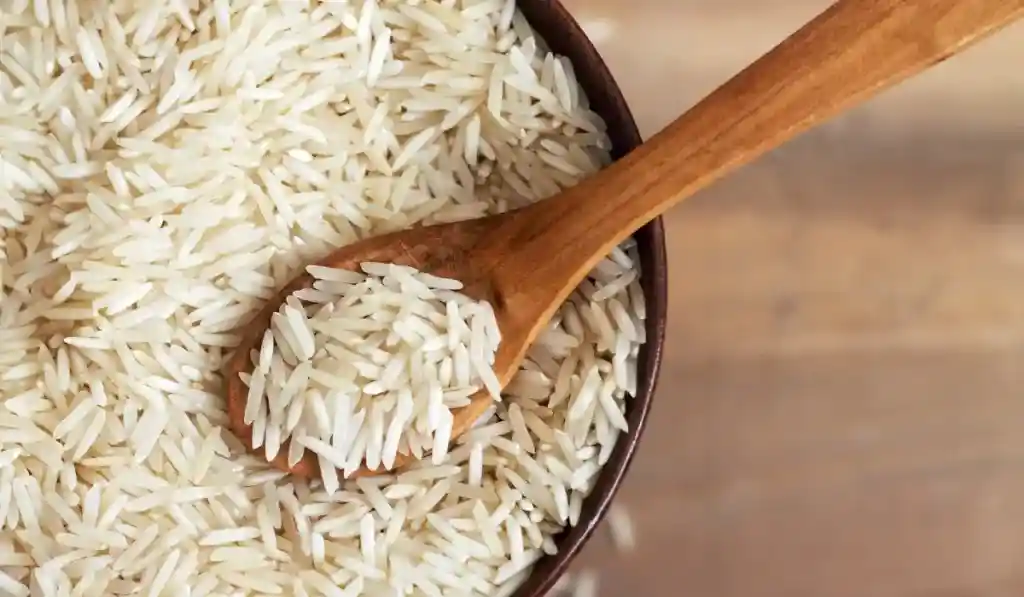
Check the Grain Length and Shape
One of the first things to examine is the appearance of the rice grains. Basmati rice is known for its relatively long, slender grains, although grain dimensions vary between varieties and processing methods.
Look for the following characteristics:
- Long, narrow grains with a distinctive shape.
- Relatively consistent grain size within the same product grade.
- A natural, slightly translucent or creamy appearance, depending on the variety and processing.
- Limited broken grains in products sold as premium whole-grain rice.
Some Basmati varieties have shorter grains than others, and broken rice may still be genuine Basmati. Therefore, grain length alone cannot prove authenticity.
Compare the product with the specifications provided by the brand or supplier rather than relying on appearance alone.
Check the Natural Aroma
Basmati rice is particularly valued for its characteristic aroma. Uncooked grains may have a distinctive fragrance, which becomes more noticeable during cooking.
Open the package only if it is permitted by the retailer and the packaging allows inspection. Look for a natural, pleasant rice aroma rather than an artificial fragrance or an unusual musty smell.
However, aroma can vary with the rice variety, age, storage conditions, and processing. A weak aroma does not automatically mean that the rice is fake, and added fragrance can mislead buyers.
For a more reliable assessment, consider the aroma alongside the packaging, variety information, and supplier credibility.
Examine the Packaging and Product Label
Packaging provides important information about the rice you are purchasing. Reputable products generally identify the rice variety or product category and provide relevant details about the packer, manufacturer, or marketer.
Check for:
- Correct spelling of the brand and product name.
- Net weight and applicable retail price information.
- Batch or lot number, where provided.
- Packing or manufacturing details, as applicable.
- Manufacturer, packer, or marketer information.
- Food labelling and licence details required by applicable regulations.
Compare the product with information on the brand’s official website. Be cautious if labels appear altered, important details are missing, or the product is advertised as premium Basmati without supporting information.
A genuine-looking package is not conclusive proof of authenticity because packaging can be copied.
Check the Product’s Origin and Variety Claims
Basmati rice is associated with specific geographical growing regions, and its identity depends on more than long grains or fragrance.
In India, the Agricultural and Processed Food Products Export Development Authority (APEDA) plays an important role in Basmati rice registration and export-related activities. You can consult the official APEDA website for information about Basmati rice and applicable geographical identification arrangements.
When buying packaged rice, review any claims about its variety, growing region, or origin. If a seller makes unusually specific claims, ask for supporting product information.
A country-of-origin statement or geographical claim should be assessed alongside the product’s other identifying details. Consumers generally cannot independently verify the exact growing region simply by looking at the grains.
Observe How the Rice Cooks
Cooking characteristics can provide additional clues about rice quality. Genuine Basmati rice typically elongates during cooking and can produce relatively separate grains when prepared correctly.
To assess the rice, follow the package’s cooking instructions and observe whether the grains retain their shape, elongate, and develop the expected aroma.
However, cooking results depend on several factors, including the rice variety, ageing, soaking time, water ratio, and cooking method. Some non-Basmati varieties can also produce long grains, so cooking behaviour alone cannot establish authenticity.
For formal verification, laboratory testing may be needed to determine the variety or detect adulteration.
Buy From Trusted Sellers
Purchase Basmati rice from reputable supermarkets, established grocery stores, or reliable online retailers. Check the seller’s reviews, return policy, invoice availability, and product description before ordering.
Be cautious about unusually low prices for products advertised as premium or aged Basmati. Discounts do not automatically indicate fraud, but misleading product descriptions and inconsistent packaging deserve further investigation.
Final Thoughts
To check original Basmati rice, examine its grain characteristics, natural aroma, packaging, variety claims, and cooking behaviour. Purchase from reliable sellers and avoid relying on a single visual or sensory test. Although these checks can help identify suspicious products, definitive verification may require appropriate testing and traceability documentation.
Frequently Asked Questions (FAQs)
Q. How can I identify original Basmati rice at home?
Check the grain shape, aroma, packaging, variety information, and seller credentials. These checks can identify warning signs, but they cannot guarantee authenticity.
Q. Does original Basmati rice always have very long grains?
No. Grain length varies by variety and processing. Long grains are a useful characteristic, but they are not conclusive proof.
Q. Can I identify original Basmati rice by smell?
Its characteristic aroma can be a helpful clue, but aroma varies with storage and processing. It should not be used as the only authenticity test.
Q. Is all long-grain rice Basmati?
No. Many non-Basmati rice varieties have long grains. Product labelling and reliable sourcing are important.
Q. How can I be more confident about Basmati rice authenticity?
Buy from reputable suppliers, check product information carefully, and seek formal testing if authenticity is important for commercial or regulatory purposes.