

Castrol engine oil is widely used in cars, motorcycles, and other vehicles to lubricate engine components, reduce friction, and support engine performance. However, counterfeit, adulterated, or misrepresented engine oil can cause serious problems, including increased engine wear, overheating, and reduced lubrication.
Knowing how to check original Castrol engine oil can help you avoid suspicious products and protect your vehicle. By examining the packaging, checking identification features, verifying product specifications, and purchasing from trusted sellers, you can make a more informed decision.
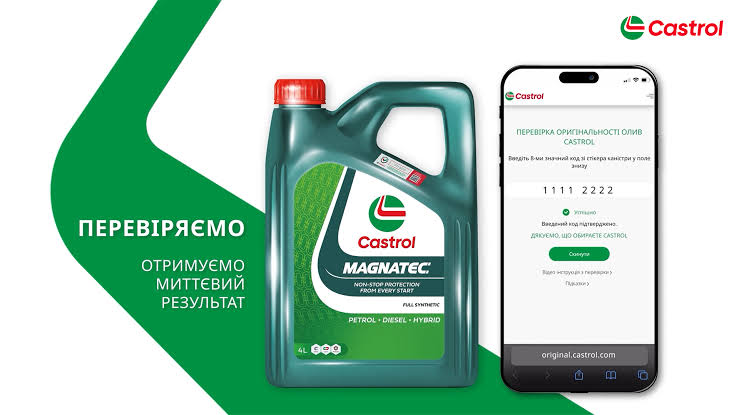
Check the Castrol Logo and Packaging
The first step is to examine the engine oil container. Genuine Castrol products should have branding and product information consistent with the particular oil range and packaging design.
Look for the following details:
- Correct spelling of the Castrol brand name.
- Clear printing and properly finished labels.
- Product name and viscosity grade, such as 5W-30 or 10W-40.
- Net quantity and applicable product information.
- Manufacturer or marketer details.
- Batch or identification information, where provided.
Compare the container with product images and specifications on the official Castrol India website.
Be cautious if the label contains spelling mistakes, the printing appears unusually poor, or the container shows signs of tampering. However, packaging designs can change, and counterfeit manufacturers may copy genuine labels. Packaging alone cannot prove authenticity.
Check the Seal and Bottle Cap
Before purchasing engine oil, inspect the cap, seal, and container opening. An unopened retail product should have packaging consistent with its intended sale.
Look for signs such as:
- A broken or damaged seal.
- Oil residue around the cap or bottle opening.
- Scratches or marks suggesting the container has been opened.
- A loose cap or evidence of resealing.
- Leakage or damage to the bottle.
A damaged seal does not automatically mean the oil is counterfeit, but it is a reason to avoid purchasing the container until the seller explains the issue.
Do not rely on cap colour or a particular seal design as a universal authenticity test. Packaging features vary by product and market.
Verify the Product Code and Authentication Features
Castrol may provide product-specific identification or verification features depending on the packaging and market. Check the label for any QR code, security feature, or verification instructions.
If a code is available, use the official verification method provided by Castrol rather than an unfamiliar third-party website. You can also contact Castrol customer support with photographs of the container, product name, batch details, and purchase information.
A QR code that opens a webpage is not conclusive proof of authenticity because counterfeiters may copy genuine codes or links.
Similarly, a matching batch number can support product identification but cannot independently guarantee that the oil inside the container is genuine.
Check the Engine Oil Grade and Specifications
Genuine Castrol engine oils are available in different formulations for different engines and driving conditions. Check the viscosity grade and performance specifications printed on the container.
For example, 5W-30 and 10W-40 are different viscosity grades and are not automatically interchangeable. Consult your vehicle’s owner’s manual to determine the correct oil grade and required specifications.
Compare the product information with the details published by Castrol. If the label, product name, and specifications contradict one another, ask the seller or manufacturer for clarification.
Buy From an Authorised Castrol Dealer
Purchasing from a reputable retailer or authorised distributor is one of the best ways to reduce the risk of counterfeit engine oil.
Before buying, request a proper invoice and check the seller’s credentials. Be cautious of unusually low prices, sellers who refuse to provide receipts, and containers with unclear product origins.
Discounts do not automatically indicate counterfeit oil, but suspicious pricing combined with damaged packaging should prompt further investigation.
You can visit the official Castrol India website to explore product information and contact the company for assistance.
Final Thoughts
Checking original Castrol engine oil requires more than examining a logo or scanning a QR code. Inspect the seal, verify the oil grade and specifications, check available identification details, and purchase from a trusted supplier. If you suspect that the oil is counterfeit or adulterated, seek verification before pouring it into your vehicle’s engine.
Frequently Asked Questions (FAQs)
Q. How can I check whether Castrol engine oil is original?
Check the packaging, seal, product specifications, identification features, and seller credentials. Contact Castrol if you notice inconsistencies.
Q. Can a QR code prove that Castrol engine oil is genuine?
No. A QR code can provide product information, but copied codes may appear on counterfeit packaging. Use the manufacturer’s official verification process.
Q. Can I identify fake Castrol oil by its colour?
No. Oil colour varies with formulation and product type. Colour alone cannot reliably establish authenticity.
Q. Is cheap Castrol engine oil always fake?
No. Genuine products may be discounted. However, unusually low prices combined with missing invoices or suspicious packaging warrant caution.
Q. What should I do if I suspect my Castrol engine oil is fake?
Avoid using the suspicious product until its authenticity is clarified. Keep the container and invoice, photograph the labels, and contact Castrol or the seller for assistance.