

India’s dargahs hold an important place in the country’s spiritual and cultural life. Built around the tombs of revered Sufi saints, many became centres of prayer, music, charity and pilgrimage where people from different communities still gather. Their importance is not limited to religion. Some preserve centuries of Indo-Islamic architecture, others are closely connected with major Sufi orders, and many are known for annual Urs celebrations that draw large numbers of devotees. From Ajmer and Delhi to Mumbai, Kalaburagi, Nagore and Thiruvananthapuram, these shrines reflect distinct regional histories while sharing traditions of devotion, hospitality and remembrance. This article highlights ten of the most famous dargahs in India in 2026 based on historical importance, pilgrimage value, architecture, cultural influence and continuing public recognition.
1. Ajmer Sharif Dargah, Rajasthan
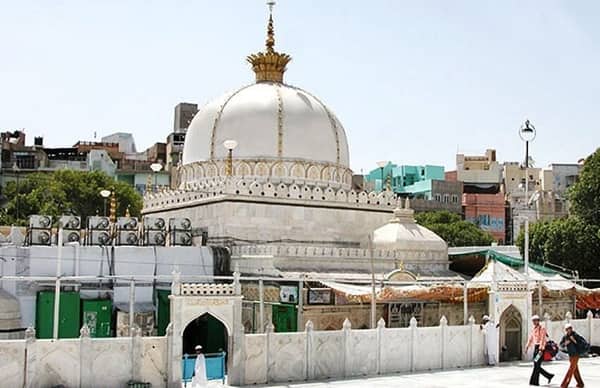
Ajmer Sharif is one of the most revered Sufi pilgrimage centres in India. Located in Ajmer, Rajasthan, the shrine contains the tomb of Khwaja Moinuddin Chishti, the great Sufi saint associated with the spread of the Chishti order in the Indian subcontinent. Devotees commonly call him Khwaja Gharib Nawaz, meaning “benefactor of the poor.” The complex includes courtyards, gateways, mosques and the saint’s marble tomb. Its annual Urs is among the country’s largest Sufi gatherings, with pilgrims offering chadar and flowers, joining prayers and listening to qawwali. Ajmer Sharif is especially famous for its wide appeal, attracting Muslims as well as visitors from other faiths.
2. Hazrat Nizamuddin Dargah, Delhi
Hazrat Nizamuddin Dargah is one of Delhi’s most important spiritual landmarks. The shrine is dedicated to Hazrat Nizamuddin Auliya, the influential Chishti saint of the 13th and 14th centuries. The complex also contains the tomb of Amir Khusrau, the celebrated poet, musician and disciple of Nizamuddin Auliya. Delhi Tourism identifies the shrine as a major attraction and notes large gatherings during the death anniversaries of Nizamuddin Auliya and Amir Khusrau. Qawwali is central to the dargah’s public identity, particularly during evening gatherings. Surrounded by the dense Nizamuddin neighbourhood, the shrine offers a direct link between medieval Delhi’s Sufi traditions and the living culture of the modern city.
3. Haji Ali Dargah, Mumbai
Haji Ali Dargah is one of Mumbai’s most recognisable religious landmarks. The white Indo-Islamic shrine stands on a small islet in the Arabian Sea and is connected to the mainland by a narrow causeway. It contains the tomb of Sayed Peer Haji Ali Shah Bukhari. Maharashtra Tourism describes the dargah as a prominent shrine visited by people from different faiths. The walk across the causeway has become part of the experience, while the shrine’s domes, minarets and coastal setting make it visually distinctive. Haji Ali combines spiritual importance with one of the most memorable locations of any dargah in India.
4. Dargah of Khwaja Banda Nawaz, Kalaburagi
The Dargah of Khwaja Banda Nawaz in Kalaburagi, Karnataka, is one of the Deccan’s most important Sufi centres. Khwaja Banda Nawaz Gesu Daraz lived in Gulbarga, now Kalaburagi, during the early 15th century and became a major figure in the Chishti tradition. Karnataka Tourism notes that he wrote numerous works in Urdu and Persian. The dargah’s walls feature Quranic verses and paintings showing Turkish and Iranian influences, while a nearby library holds thousands of books on history, philosophy and religion. The annual Urs draws devotees from across India. Its combination of scholarship, architecture and continuing pilgrimage gives the shrine exceptional importance.
5. Piran Kaliyar Sharif, Uttarakhand
Piran Kaliyar Sharif near Roorkee is a major pilgrimage centre associated with Hazrat Alauddin Ali Ahmed Sabir Kaliyari, commonly known as Sabir Pak. The shrine is especially important to followers of the Sabiri branch of the Chishti order. Uttarakhand Tourism describes Piran Kaliyar Sharif as a major Muslim attraction and a symbol of unity between religions. The annual Urs brings pilgrims for prayers and religious observances. Its presence in a state famous for Himalayan pilgrimage also highlights Uttarakhand’s wider spiritual diversity. For visitors interested in Sufi history, the shrine provides an important link with one of the major devotional lineages that developed from the Chishti tradition.
6. Nagore Dargah, Tamil Nadu
Nagore Dargah in Nagapattinam district is one of the best-known Islamic shrines in South India. It is dedicated to the Sufi saint Syed Shahul Hameed, widely known as Nagore Andavar. Tamil Nadu Tourism describes the shrine as a major religious and cultural centre attracting devotees from across the country. The complex blends Islamic and regional architectural influences and is known for its prominent minarets and courtyards. The annual Kanduri festival is the most important event in its calendar. Nagore is also widely associated with interfaith participation, which has helped make it a symbol of communal harmony in the region.
7. Maner Sharif, Bihar
Maner Sharif, about 25 kilometres west of Patna, is one of Bihar’s most important Sufi heritage sites. The town is associated with two prominent shrines: the Bari Dargah linked with Makhdoom Yahya Maneri and the Chhoti Dargah of Makhdum Shah Daulat. Bihar Tourism highlights the site’s domes, Quranic calligraphy and Mughal-style architecture. During the medieval period, Maner was also known as a centre of learning. Annual Urs celebrations bring devotees for prayers and qawwali. Its combination of pilgrimage, scholarship and architecture has earned Maner Sharif a place in Bihar Tourism’s Sufi Circuit.
8. Dargah Yousufain, Hyderabad
Dargah Yousufain in Nampally is one of Hyderabad’s best-known Sufi shrines. Telangana Tourism lists it among the city’s famous dargahs and describes it as a revered centre attracting devotees from across Hyderabad. The name refers to the two saints traditionally associated with the shrine, Hazrat Syed Shah Yousufuddin and Hazrat Syed Shah Sharifuddin. Located close to the city centre, the dargah forms part of Hyderabad’s layered religious heritage alongside mosques, temples and other shrines. Visitors come for prayer, reflection and the atmosphere of Sufi devotion. Its importance lies less in monumental scale and more in its continuing role as a living urban spiritual centre.
9. Beemapally Dargah Shareef, Kerala
Beemapally Dargah Shareef in Thiruvananthapuram is one of Kerala’s most distinctive Islamic pilgrimage centres. The shrine is associated with Sayyidhathunissa Beema Beevi and her son Ashaikhu Sayidushaheed Maheen Aboobaker. Kerala Tourism describes it as a revered shrine visited by pilgrims of different faiths. Its most important annual event is the Chandanakudam Mahotsavam, or Beemapally Urus, an 11-day festival that includes distinctive sandalwood-related offerings. The bright architecture and local festival traditions give Beemapally a character different from many northern dargahs. It is an important example of how Sufi devotion developed within Kerala’s coastal Muslim culture.
10. Erwadi Dargah, Tamil Nadu
Erwadi Dargah in Ramanathapuram district is an important pilgrimage destination in southern Tamil Nadu. The shrine is principally associated with Sultan Syed Ibrahim Shaheed Badusha, a revered Sufi figure whose memory remains central to the religious identity of Erwadi. Tamil Nadu Tourism describes it as one of South India’s important Muslim pilgrimage sites and highlights its annual Urs, when large numbers of devotees gather for prayers and ceremonies. The complex reflects a blend of Islamic and regional architectural forms. Although its fame is more regional than Ajmer Sharif or Haji Ali, its importance to pilgrims in Tamil Nadu and neighbouring states makes it a significant part of India’s Sufi landscape.
Why Dargahs Continue to Matter in India
Dargahs continue to matter because they combine several roles at once. They are places of ziyarat and remembrance, but many are also centres of music, charity, community gathering and historic memory. Urs celebrations preserve centuries-old traditions, while qawwali and devotional poetry connect Sufi teachings with public culture. Architecture adds another layer: sea-facing Haji Ali, historic Maner and the regional forms of Nagore show how Sufi shrines adapted to local settings. Their popularity also reflects a long tradition in which many dargahs are visited by people from more than one religious community.
Conclusion
India’s famous dargahs reveal the wide cultural reach of Sufi traditions across the subcontinent. Ajmer Sharif and Nizamuddin remain central to the history of the Chishti order, Haji Ali gives Mumbai one of its most memorable spiritual landmarks, and Banda Nawaz preserves the intellectual legacy of the Deccan. Piran Kaliyar, Maner Sharif, Nagore, Yousufain, Beemapally and Erwadi show how Sufi traditions developed distinct regional forms. Each shrine has its own saint, history and customs, yet all continue to attract people seeking prayer, remembrance and spiritual connection. Their relevance in 2026 comes from that powerful combination of history and living devotion.