

A solar panel can look like a straightforward purchase until you start comparing the options available. Two panels may appear similar at first glance, yet their specifications can lead to different outcomes for the same solar installation. Knowing what deserves closer attention can make the choice much clearer.
The right decision starts with understanding what separates one panel from another and which specifications matter for your setup. If you are looking for the best quality solar panels, a closer look at these differences can help you make a more informed choice.
Let’s explore what to look for when buying solar panels and how the right choice can influence long-term value.
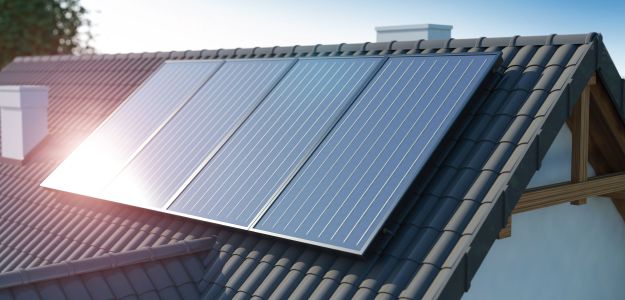
How Can You Compare Different Types of Solar Panels?
| Solar Panel Type | Key Characteristic | Potential Applications | What to Consider |
| Monocrystalline | Efficient and available in different wattages | Residential, rooftop, off-grid, and standalone systems | Energy requirements, available space, and required wattage |
| Monocrystalline Bifacial | Captures light from both the front and rear sides | Installations where reflected light can contribute to generation | Installation conditions, available space, and system design |
| N-Type TOPCon | Designed for higher conversion efficiency and lower degradation | Residential, and larger solar installations | Efficiency, long-term performance, and system requirements |
| DCR Panels | Designed to meet applicable domestic-content requirements | Projects where DCR compliance is required | Project-specific eligibility and applicable requirements |
| Non-DCR Panels | Alternative configuration for projects without applicable DCR requirements | Installations where DCR compliance is not required | Project specifications and installation requirements |
What Factors Should You Consider Before Buying Solar Panels?
Comparing panel specifications is an important step when choosing a solar system. Consider these factors before making a purchase.
- Energy Requirements: Start by assessing how much electricity the system needs to generate. Your current consumption and intended application can help determine the appropriate system capacity.
- Wattage and Efficiency: Wattage indicates the rated power output of a panel, while efficiency reflects how effectively it converts available sunlight into electricity. Looking at both can help you assess the panel’s suitability for your system and available space.
- Available Installation Space: The space available for the solar installation can influence your choice of panel. Higher-efficiency modules can help make better use of limited space by generating more power from the available area.
- Panel Technology: Consider the characteristics of each technology alongside your application. Monocrystalline panels are available across different capacities, bifacial panels can use reflected light reaching their rear surface, and TOPCon technology is designed to support higher efficiency and long-term performance.
- DCR Requirements: Check whether your project has specific DCR requirements.
Why Does Solar Panel Warranty Matter?
Solar panels are designed for long-term use, making warranty coverage an important factor when comparing different options.
- Warranty Period: Eastman solar panels in the current product range come with a 25-year warranty, including TOPCon and Mono PERC bifacial options.
- Coverage: Check what the warranty covers before purchasing, including the applicable product coverage and terms.
- Warranty Conditions: Review the conditions attached to the warranty so you understand the requirements for maintaining coverage.
- Long-term Value: A longer warranty period can provide greater visibility into product coverage over the expected operating life of the solar panel.
- Comparison: When comparing the best quality solar panels, consider warranty coverage alongside specifications such as technology, wattage and efficiency.
What is Solar ROI and How Do Solar Systems Pay for Themselves?
Solar ROI refers to the return generated from the investment made in a solar system. In practical terms, it comes down to how the value of the electricity generated by the system compares with the initial cost of setting it up.
The process is relatively straightforward. You make an initial investment in the solar installation, and the system then generates electricity over time. Using this solar power can reduce the amount of electricity purchased from the grid. The resulting savings accumulate over the operating period of the system and can gradually offset the original investment.
Several factors influence how quickly this happens:
- System Size and Generation: A system needs to generate enough electricity to meet its intended requirements.
- Panel Efficiency: Efficient panels can make better use of available sunlight and installation space.
- Sunlight Availability: Generation depends on the sunlight available at the installation location.
- Electricity Consumption: Higher electricity use can affect the amount of grid electricity that solar generation offsets.
- Electricity Tariffs: Changes in grid electricity costs can influence the value of the electricity generated.
- System and Installation Costs: The initial investment affects the time required to recover the cost.
- Long-term Panel Performance: Consistent generation over time contributes to the overall value of the system.
- Applicable Incentives or Subsidies: Available financial support can reduce the initial investment and affect the overall economics.
This is why looking at the purchase price alone does not provide a complete picture of solar ROI. A panel with suitable efficiency, appropriate technology, and strong long-term performance can contribute to the overall value of a well-designed solar system.
Choose Solar Panels With Long-Term Value in Mind
The right solar panel should suit your energy requirements, available space, system design, and project conditions. Comparing technology, wattage, efficiency, DCR requirements, warranty coverage, and long-term performance can help you make a more informed choice.
Solar ROI also depends on how effectively the complete system generates electricity and reduces reliance on grid power over time. Considering these factors alongside the initial investment can give you a clearer view of the system’s potential long-term value.
For solar solutions across residential and other applications, consider providers like Eastman Auto & Power Limited. Explore panel options based on your energy requirements, installation space, preferred technology, and expected long-term performance.