

As the holiday season approaches, many are faced with the task of creating a festive atmosphere in their homes. A central part of this festive decor is the Christmas tree, a symbol of joy and celebration. With real trees posing various challenges, including maintenance and allergies, artificial Christmas trees have become a popular alternative. There are numerous aspects to consider when selecting the best artificial Christmas tree for your space, from size and shape to materials and lighting.
Assessing the Space: Choosing the Right Size and Shape
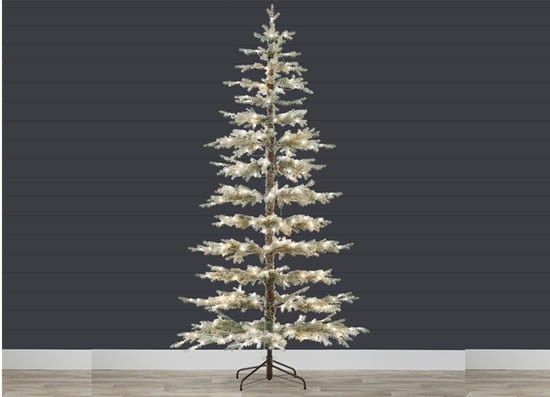
Before purchasing an artificial Christmas tree, assess the space where it will be displayed. The tree’s height should be proportional to the ceiling, leaving enough room for a topper and ensuring that branches don’t brush against the ceiling. Measure the area, factoring in clearance for gifts and walking space. For rooms with high ceilings, a taller tree can create an impressive display, while in smaller spaces, a slim or pencil tree can offer the festive look without overwhelming the space.
It’s not just the height that’s important; the tree’s width is a critical factor, too. In compact areas, a slim-profile tree can save valuable floor space. Conversely, if you have a larger room, a full-bodied tree can become a grand centerpiece. Keep in mind that manufacturers often list the widest point of the tree, which is usually at the base, so take this into consideration when measuring your space.
When deciding on the shape of your artificial Christmas tree, think about the room’s layout and furniture placement. Traditional full trees might clash with space-restricted or furnished areas, whereas more uniquely shaped trees can adapt to and enhance the existing room dynamics. Remember, you don’t have to compromise on the presence of a spectacular holiday centerpiece just because of room dimensions; there is a tree shape to suit every space.
Material Matters: PVC vs. PE Artificial Christmas Trees
When looking into the materials of artificial Christmas trees, you’ll mainly encounter two types: PVC (polyvinyl chloride) and PE (polyethylene). PVC trees are traditionally manufactured and have flat, thin needles made from sheets of PVC. These trees are often more affordable and a durable choice that can withstand years of use. However, the realism of PVC trees can vary, with higher-end versions providing a more convincing appearance.
PE trees, on the other hand, use molded tips to replicate the look and texture of real tree needles. These trees usually offer a higher degree of realism, with branches and tips that closely mimic the look and feel of a live tree. As a result, PE trees tend to come with a higher price tag. They’re an excellent option for those placing a premium on authenticity and willing to invest more for it.
A mix of both materials is often found in hybrid trees, which can offer a balanced blend of realism and value. These combinations may feature PE tips on the outer branches, where realism is most appreciated, and PVC inner branches to provide fullness without significantly driving up costs. This can be a wise compromise, allowing for a realistic appearance while keeping the tree budget-friendly.
Pre-Lit or Unlit? Deciding on the Best Lighting Options
Deciding between a pre-lit or unlit artificial Christmas tree is another essential consideration. Pre-lit trees provide convenience, saving time and effort as the lights are already professionally arranged and integrated into the branches, offering a seamless, glowing appearance. They can be an ideal solution for those looking to minimize setup time or who struggle with evenly distributing string lights.
Unlit trees offer flexibility, allowing for customization of lighting types, colors, and patterns to suit changing themes or aesthetic preferences each year. If you enjoy the tradition of stringing lights or wish to have control over the lighting design, an unlit tree may be the better option. Additionally, if a strand of lights goes out, it may be simpler to replace on an unlit tree than on its pre-lit counterpart.
Another aspect to consider is energy efficiency. LED lights on pre-lit trees are known for their lower energy consumption compared to traditional incandescent bulbs. Whether you opt for a pre-lit tree or plan to light an unlit one, contemplate the type of lights that align with your energy consumption goals and the overall impact on your holiday atmosphere.
Overall, selecting the best artificial Christmas Tree involves a careful examination of your space, preference for materials, lighting desires, and alignment with your personal style. By considering these factors, you’re sure to find a tree that not only fills your home with holiday joy but also proves to be a wise investment for many festive seasons to come.