

Greenply is a recognised plywood and interior infrastructure brand in India, offering products for furniture, cabinets, wardrobes, and other interior applications. Since plywood quality affects furniture strength, durability, and resistance to moisture, choosing an authentic product is important. Counterfeit or mislabelled plywood may not meet the advertised specifications and can lead to premature damage or unnecessary repair costs.
If you are planning to buy Greenply plywood for your home or construction project, knowing how to check whether it is original can help you make a more informed decision. By examining the branding, product markings, documentation, and seller details, you can reduce the risk of purchasing a suspicious product.
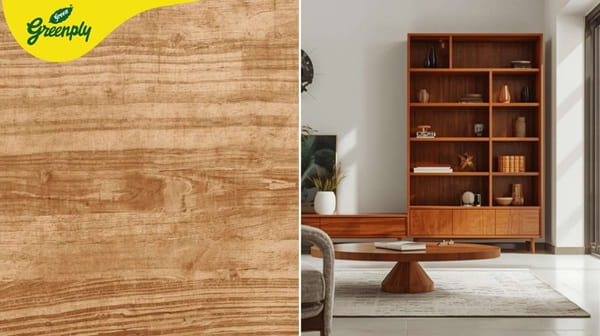
Check the Greenply Logo and Sheet Markings
Start by inspecting the plywood sheet for the Greenply brand name, logo, product identification, and other printed markings. Depending on the product range, the sheet or packaging may include information about its grade, thickness, intended application, or manufacturing details.
Look for warning signs such as blurry printing, spelling mistakes, inconsistent branding, damaged labels, or markings that appear to have been altered.
Compare the information with the relevant product details on Greenply’s official website. However, branding and printing may vary between product ranges and manufacturing batches. A difference in appearance alone does not prove that a sheet is counterfeit.
Verify the Product Name and Grade
Greenply offers different plywood products for different applications. Some are intended for general interior furniture, while others are marketed for moisture resistance or specialised uses.
Check the exact product name, grade, thickness, and intended application before purchasing. Make sure these details match the quotation, invoice, packaging, and manufacturer’s specifications.
Do not assume that all plywood marketed as waterproof is suitable for continuous water exposure. Terms such as moisture-resistant, boiling-water-resistant, and waterproof can refer to different performance requirements. Read the technical specifications and choose a product appropriate for the environment where it will be installed.
Check the ISI Mark and Applicable Certification
Where the plywood product is required or represented to comply with an Indian Standard, examine the relevant certification markings and licence details.
You can use the official Bureau of Indian Standards (BIS) website at https://www.bis.gov.in/ to check applicable certification information. Verify that the licence details correspond to the manufacturer and product category concerned.
Do not rely solely on an ISI logo printed on a label. Counterfeit products may copy certification markings, so independent verification is important. Certification requirements can differ depending on the plywood type and applicable regulations.
Examine the Edges and Surface Quality
Inspect the exposed edges of the plywood sheet, if available. Look for reasonably uniform layers, consistent thickness, and signs of excessive gaps, peeling, or separation between veneers.
The surface should be appropriate for the product grade and intended use. Excessive warping, visible delamination, damaged edges, or inconsistent thickness may indicate poor quality or improper storage.
However, surface quality alone cannot establish authenticity. A counterfeit sheet can look well finished, while genuine plywood can suffer damage during transport or storage. Treat the physical inspection as one part of the verification process.
Ask for an Invoice and Buy From a Trusted Dealer
Purchase Greenply plywood from an authorised dealer or an established building-material supplier. Ask the seller to confirm the product’s source and provide a proper invoice.
The invoice should identify the seller and describe the product, quantity, and purchase details. Check that the product name and grade match the material delivered to your site.
Be cautious if the seller offers a price far below the usual market rate, refuses to provide an invoice, or cannot explain the product’s origin. Discounts can be legitimate, but unusually low prices combined with missing documentation deserve further investigation.
For product information and available support options, visit Greenply’s official website at https://www.greenply.com/. If you suspect that the plywood is counterfeit or mislabelled, contact the company through its official channels and provide photographs, invoice details, and product markings.
Check Thickness and Technical Specifications
Use an appropriate measuring tool to check the sheet’s thickness and compare it with the thickness stated on the product label or invoice. Small measurement variations may depend on applicable tolerances, so consult the manufacturer’s specifications rather than assuming every difference indicates a fake product.
For major furniture or construction work, ask the supplier for technical documentation covering the product’s grade and relevant performance characteristics. A carpenter or qualified professional can help assess whether the plywood is suitable for the intended installation.
Final Thoughts
Checking original Greenply plywood requires more than examining a brand logo or surface finish. Verify the product grade, inspect the sheet, check applicable certification details, and purchase from a reputable supplier. Taking these precautions before installation can help you choose suitable plywood and avoid costly problems caused by mislabelled or substandard materials.
Frequently Asked Questions (FAQs)
Q. How can I check whether Greenply plywood is original?
Inspect the branding, product markings, grade, thickness, applicable certification details, and invoice. Buy from a trusted dealer and contact Greenply if you need further verification.
Q. Does the Greenply logo prove that plywood is genuine?
No. Logos and printed labels can be copied. Check several details together and verify the product through official company channels.
Q. Can I identify original Greenply plywood by its edges?
Edge inspection can reveal gaps, peeling, or poor construction, but it cannot conclusively establish authenticity.
Q. Is all Greenply plywood waterproof?
No. Different products have different specifications and intended applications. Check the exact product’s technical information before choosing plywood for moisture-prone areas.
Q. What should I do if I suspect Greenply plywood is fake?
Avoid installing the material until the concern is investigated. Keep the invoice, photograph the markings, and contact Greenply and the seller for verification.