

Dove is a popular personal care brand known for its soaps, body washes, shampoos, conditioners, deodorants, and skincare products. Because these products are widely sold through supermarkets, beauty stores, and online marketplaces, consumers may sometimes encounter counterfeit, tampered, expired, or improperly stored items.
Knowing how to check original Dove products can help you make safer purchasing decisions and avoid wasting money on fake products. Although packaging and product appearance can provide useful clues, no single visual check can guarantee authenticity. The best approach is to examine the packaging, verify product details, and buy from reliable sellers.
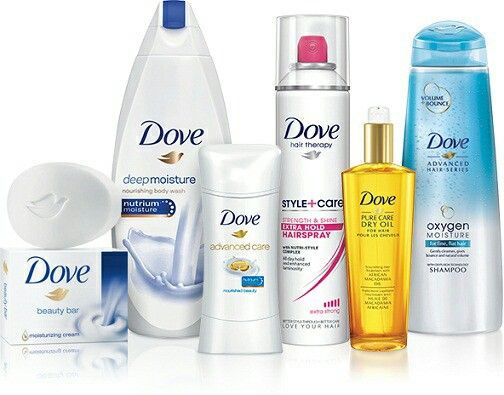
Check the Packaging Quality
Original Dove products generally have professionally printed packaging, clear product information, and consistent branding. Examine the Dove logo, font, colours, spelling, and overall design.
Look for warning signs such as:
- Blurry printing, spelling mistakes, or poorly aligned labels.
- Damaged seals, leaking containers, or signs of tampering.
- Loose caps, broken pumps, or poor-quality packaging.
- Missing ingredient lists or incomplete product information.
Packaging designs can change between product variants, sizes, and countries. Therefore, a difference from an older bottle or soap pack does not automatically mean the product is fake. Compare it with current information from Dove’s official website or the relevant local brand website.
Verify the Product Label and Ingredients
Check the label for the product name, variant, net quantity, directions for use, ingredients, manufacturer or marketer details, and other applicable regulatory information.
For products sold in India, also look for relevant declarations required under applicable cosmetics and packaged-commodity rules. These may include batch or lot information, manufacturing or import details where applicable, and consumer-care contact information.
Be cautious if important details are missing, unreadable, inconsistent, or appear to have been altered. However, the absence of a particular detail on one package should be assessed against the product type and applicable labelling requirements.
You can compare the ingredient list with information published by Dove or the manufacturer. Ingredients may differ by country or formulation, so a difference alone is not conclusive evidence of counterfeiting.
Check the Batch Number and Expiry Information
Examine the batch or lot number and any manufacturing, use-before, or expiry information printed on the packaging. These details should be legible and should not appear suspiciously erased, overwritten, or covered by another label.
If the product seems questionable, contact the manufacturer or its authorised consumer-care channel and provide the batch number, product name, purchase date, and seller details.
Do not assume that a product is genuine simply because it has a printed batch number. Counterfeiters can copy genuine-looking details, so batch information should be considered alongside other evidence.
Inspect the Product’s Smell, Colour, and Texture
After checking the packaging, observe the product itself where it is safe to do so. A product with an unusual smell, unexpected colour, separated formula, changed texture, or foreign particles may have been contaminated, improperly stored, expired, or otherwise compromised.
Compare it with a known product of the same variant rather than a different Dove formulation. Different shampoos, body washes, creams, and soaps naturally have different colours, fragrances, and textures.
Do not use a product if its packaging appears tampered with or the contents seem unusual. If irritation occurs after use, stop using it and seek appropriate medical advice if symptoms persist or are severe.
Buy From Trusted Stores and Online Sellers
Where you purchase Dove products can make a significant difference. Prefer established supermarkets, pharmacies where relevant, recognised beauty retailers, and reputable online sellers.
When shopping online, check the seller’s identity, ratings, customer feedback, return policy, and invoice availability. Be cautious of prices that are dramatically lower than those offered by established retailers, especially when the seller cannot explain the discount.
A product being listed on a popular marketplace does not automatically mean it is sold directly by the brand or an authorised seller. Check the actual seller shown on the product page.
For additional confidence, visit Dove’s official website at https://www.dove.com/ to review product information and find relevant brand support options for your region.
Do Barcodes and QR Codes Prove Authenticity?
Barcodes and QR codes can help identify a product or direct you to additional information, but they are not definitive proof of authenticity. Counterfeit products can carry copied codes, and a successful scan does not necessarily verify who manufactured the item.
If a QR code directs you to an unfamiliar website, requests unnecessary personal information, or displays details inconsistent with the packaging, exercise caution. Use official brand channels to verify questionable products.
Final Thoughts
Checking original Dove products involves examining the packaging, reading product labels, reviewing batch details, and choosing trustworthy sellers. Barcodes, low prices, and visual appearance alone cannot establish authenticity. If anything seems suspicious, verify the product with the manufacturer before using it. These simple precautions can help you make more informed personal care purchases.
Frequently Asked Questions (FAQs)
Q. How can I check whether Dove soap is original?
Examine the wrapper, logo, product information, batch details, and soap’s appearance. Buy from a reputable retailer and contact Dove’s official consumer-care channel if you suspect a counterfeit.
Q. How can I identify original Dove shampoo?
Check the bottle quality, cap and seal, label details, batch information, and product consistency. These checks can reveal warning signs but cannot independently guarantee authenticity.
Q. Does a barcode prove that a Dove product is genuine?
No. A barcode identifies product information but can be copied. Use it only as one part of a broader verification process.
Q. Are very cheap Dove products fake?
Not necessarily. Discounts and promotions can be genuine, but unusually low prices from unknown sellers should prompt additional checks.
Q. What should I do if I suspect my Dove product is fake?
Stop using it if you have concerns about its safety. Keep the packaging and invoice, take clear photographs, record the batch number, and contact the brand’s consumer-care team and the seller. You can also report suspected counterfeit or misleading sales to the relevant consumer-protection authority.