
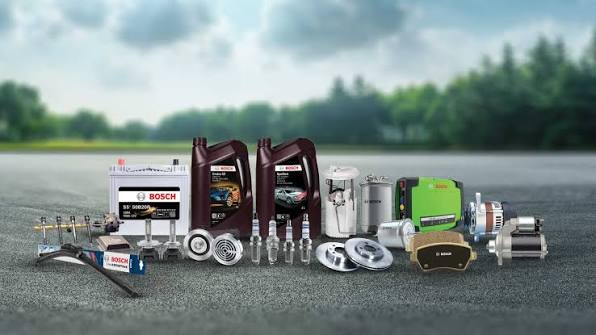
Bosch is a well-known automotive technology brand that manufactures components such as spark plugs, filters, sensors, braking components, fuel system parts, and electrical equipment. When replacing a car component, choosing an original Bosch part is important for compatibility, performance, and reliability.
However, counterfeit parts and incorrectly labelled products can be difficult to identify because they may resemble genuine components. Installing an unsuitable or counterfeit part can affect vehicle performance and, in safety-critical systems, potentially compromise road safety.
Fortunately, you can take several practical steps to check whether Bosch car parts are genuine before purchasing or installing them.
Check the Bosch Logo and Packaging
The first step is to inspect the packaging and brand markings. Genuine Bosch automotive products should have branding and product information consistent with the specific component.
Look for:
- Correct spelling of the Bosch brand name.
- Clear printing and properly finished labels.
- Product name and part number.
- Manufacturer or distributor information, where applicable.
- Batch, traceability, or identification details when provided.
Compare the packaging with official product images and descriptions on the Bosch Mobility website.
Be cautious if the logo is distorted, the label contains spelling mistakes, or the packaging appears tampered with. However, packaging designs can vary by product and market, and counterfeit manufacturers may copy genuine branding. The box alone cannot prove authenticity.
Verify the Bosch Part Number
Checking the part number is one of the most useful ways to identify whether a Bosch component matches your vehicle’s requirements.
Depending on the product, the part number may appear on the component, its label, or the packaging. Search for the number using official Bosch product information or ask an authorised dealer to verify it.
Check whether the part corresponds to:
- The correct component type.
- Your vehicle’s make and model.
- The appropriate engine or vehicle variant.
- The required technical specifications.
A component may look identical to another part but still be unsuitable for your vehicle. For example, sensors and electrical components may have different specifications even when their external appearance is similar.
A matching part number is an important clue, but it is not conclusive proof of authenticity because counterfeit products may copy genuine numbers.
Examine the Product’s Build Quality
Inspect the component for visible defects and compare its construction with reliable product photographs.
Depending on the part, check for clean finishing, properly formed edges, consistent markings, and secure assembly. Look for unusual scratches, rough surfaces, damaged connectors, poor moulding, or signs that a product has been used and repackaged as new.
For electrical components, examine the connectors and casing. For filters, inspect the housing and visible construction. For spark plugs, check the markings and physical condition against the manufacturer’s specifications.
Remember that Bosch manufactures many different products, so no single physical feature applies to every component. A genuine part may also have minor cosmetic variations. Use build quality as one part of a broader verification process rather than relying on appearance alone.
How to Check Original Bosch Car Parts?
Bosch is a well-known automotive technology brand that manufactures components such as spark plugs, filters, sensors, braking components, fuel system parts, and electrical equipment. When replacing a car component, choosing an original Bosch part is important for compatibility, performance, and reliability.
However, counterfeit parts and incorrectly labelled products can be difficult to identify because they may resemble genuine components. Installing an unsuitable or counterfeit part can affect vehicle performance and, in safety-critical systems, potentially compromise road safety.
Fortunately, you can take several practical steps to check whether Bosch car parts are genuine before purchasing or installing them.
Check the Bosch Logo and Packaging
The first step is to inspect the packaging and brand markings. Genuine Bosch automotive products should have branding and product information consistent with the specific component.
Look for:
- Correct spelling of the Bosch brand name.
- Clear printing and properly finished labels.
- Product name and part number.
- Manufacturer or distributor information, where applicable.
- Batch, traceability, or identification details when provided.
Compare the packaging with official product images and descriptions on the Bosch Mobility website.
Be cautious if the logo is distorted, the label contains spelling mistakes, or the packaging appears tampered with. However, packaging designs can vary by product and market, and counterfeit manufacturers may copy genuine branding. The box alone cannot prove authenticity.
Verify the Bosch Part Number
Checking the part number is one of the most useful ways to identify whether a Bosch component matches your vehicle’s requirements.
Depending on the product, the part number may appear on the component, its label, or the packaging. Search for the number using official Bosch product information or ask an authorised dealer to verify it.
Check whether the part corresponds to:
- The correct component type.
- Your vehicle’s make and model.
- The appropriate engine or vehicle variant.
- The required technical specifications.
A component may look identical to another part but still be unsuitable for your vehicle. A matching part number is an important clue, but it is not conclusive proof of authenticity because counterfeit products may copy genuine numbers.
Examine the Product’s Build Quality
Inspect the component for visible defects and compare its construction with reliable product photographs.
Depending on the part, check for clean finishing, properly formed edges, consistent markings, and secure assembly. Look for unusual scratches, rough surfaces, damaged connectors, poor moulding, or signs that a product has been used and repackaged as new.
For electrical components, examine the connectors and casing. For filters, inspect the housing and visible construction. For spark plugs, check the markings and physical condition against the manufacturer’s specifications.
Remember that Bosch manufactures many different products, so no single physical feature applies to every component. A genuine part may also have minor cosmetic variations. Use build quality as one part of a broader verification process rather than relying on appearance alone.
Check Security Labels and Authentication Features
Some automotive products use security labels, traceability information, or other product-specific identification features. Check whether the particular Bosch product you are buying includes such features and follow the manufacturer’s instructions for verifying them.
Do not assume every Bosch car part has a QR code, hologram, or scratch-off authentication label. Verification methods can differ across product categories and markets.
If a label or code is available, use the official verification method specified by Bosch. A code that scans successfully is not necessarily proof of authenticity because counterfeiters may copy genuine codes.
For additional assistance, visit the official Bosch website and use its relevant product or contact resources.
Buy From an Authorised Bosch Dealer
Purchasing from an authorised dealer is one of the most effective ways to reduce the risk of counterfeit automotive components.
Before buying, ask for a proper invoice and check the seller’s credentials. Confirm that the component is suitable for your exact vehicle and that any applicable warranty conditions are explained.
Be cautious if a seller offers an unusually low price, refuses to provide an invoice, or cannot explain the product’s origin. Discounts do not automatically indicate counterfeit goods, but suspicious pricing combined with poor packaging deserves further investigation.
For safety-critical components, such as braking or steering parts, have a qualified mechanic verify the component before installation.
What to Do If You Suspect a Fake Bosch Part
If a Bosch component appears suspicious, do not install it until its authenticity and compatibility have been checked. Keep the packaging, invoice, part number, and photographs of the component.
Contact Bosch or an authorised dealer and provide these details for assistance. If the part has already been installed and you suspect it may be counterfeit or defective, arrange a professional inspection, particularly if it affects braking, steering, fuel delivery, or vehicle electronics.
Final Thoughts
Checking original Bosch car parts requires more than examining a logo or scanning a code. Verify the part number, inspect the product’s construction, review any available identification features, and purchase from a trusted supplier. Because counterfeit components can affect vehicle safety and performance, seek professional verification whenever you have doubts about a part’s authenticity or compatibility.
Frequently Asked Questions (FAQs)
Q. How can I check whether Bosch car parts are original?
Examine the logo, packaging, part number, identification features, and build quality. Buy from an authorised dealer and request verification if anything appears suspicious.
Q. Can I identify original Bosch parts using a QR code?
Some products may have scannable identification features, but not every Bosch part does. Follow the official verification instructions for the specific product.
Q. Does a matching Bosch part number guarantee authenticity?
No. Counterfeit products may copy genuine part numbers. Verify the seller, product markings, and other available identification details.
Q. Are cheaper Bosch car parts always fake?
No. Genuine parts may be discounted. However, unusually low prices combined with missing documentation or suspicious packaging warrant additional checks.
Q. What should I do if I suspect my Bosch car part is counterfeit?
Avoid installing the part, retain the invoice and packaging, and contact Bosch or an authorised dealer for assistance.