

A clean city is visible in the small things—a street without overflowing garbage, waste collected before it becomes a problem, public toilets that can actually be used, drains that are maintained and neighbourhoods where residents take responsibility for their surroundings. Across India, several cities have turned these everyday practices into sophisticated urban systems involving door-to-door collection, waste segregation, recycling, composting, sewage treatment and digital monitoring.
Indore remains the name most closely associated with India’s cleanliness transformation, but it is no longer alone. Surat and Navi Mumbai have built strong municipal systems of their own, while Vijayawada, Noida, Chandigarh, Mysuru and several other cities have maintained high standards over multiple surveys. The latest published Swachh Survekshan results place 23 consistently high-performing cities in the Super Swachh League, a special category created for cities that have repeatedly excelled in cleanliness.
As of September 2026, the final results of Swachh Survekshan 2025–26 have not yet been announced, so the latest official national awards remain Swachh Survekshan 2024–25. The list below follows the leading cities appearing in the official Super Swachh League award sequence, concentrating on the larger urban centres.
Let’s check out the top 10 list of the cleanest cities in India in 2026.
1. Indore, Madhya Pradesh
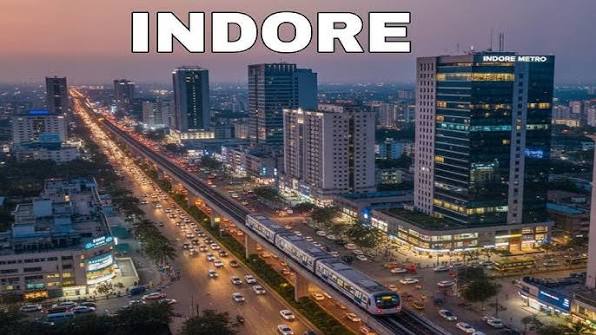
Indore remains India’s benchmark for urban cleanliness and continues to lead the country’s strongest group of consistently clean cities.
The city’s transformation did not happen through occasional cleaning drives. Indore built a system around household-level waste segregation, reliable door-to-door collection, processing of wet and dry waste and close monitoring of sanitation operations. Residents have also become an important part of the model, with segregation increasingly treated as an everyday civic habit.
Its waste-management system has continued evolving rather than stopping after winning earlier surveys. The city uses different collection streams for different types of waste and has developed facilities for composting, recycling, bio-CNG and other forms of resource recovery.
Indore’s consistency earned it a place in the Super Swachh League for million-plus cities, reinforcing its position as the standard against which other Indian cities are often compared.
What makes it stand out: Consistent household segregation, scientific waste processing and unusually strong citizen participation.
2. Surat, Gujarat
Surat has emerged as one of India’s most impressive examples of how a rapidly expanding industrial city can still maintain high cleanliness standards.
The Gujarat city has invested heavily in municipal sanitation, organised garbage collection, street cleaning and sewage infrastructure. Its civic administration has also developed a reputation for using technology and data to monitor urban services.
Surat’s cleanliness journey is particularly significant because it was transformed after the serious public-health problems the city faced during the 1990s. Over the following decades, sanitation and municipal efficiency became central priorities.
Today, Surat is one of the established million-plus members of the Super Swachh League, placing it alongside Indore and Navi Mumbai among India’s most consistently successful large cities.
What makes it stand out: Strong municipal management combined with large-scale sanitation and waste-collection systems.
3. Navi Mumbai, Maharashtra
Planned infrastructure gives Navi Mumbai an advantage, but good urban design alone does not explain its repeated cleanliness success.
The city has consistently performed well in areas such as waste segregation, collection, public sanitation, beautification and citizen participation. Residential societies and commercial establishments are increasingly encouraged to manage waste responsibly rather than sending everything to a common dumpsite.
Public spaces, roads and neighbourhoods generally receive structured cleaning, while the municipal corporation has invested in waste-processing and sanitation infrastructure.
Navi Mumbai has repeatedly appeared among India’s strongest performers and is part of the million-plus Super Swachh League, confirming that its success is based on consistency rather than one exceptional survey year.
What makes it stand out: Planned urban development supported by disciplined municipal sanitation and waste segregation.
4. Vijayawada, Andhra Pradesh
Vijayawada has steadily developed into one of southern India’s strongest performers in urban cleanliness.
The city handles hundreds of tonnes of municipal waste every day and has developed a combination of material-recovery facilities, composting, biomethanation and waste-to-energy infrastructure.
Its sanitation workforce plays an important role in keeping streets, commercial zones and residential areas clean. Previous official assessments have also recognised Vijayawada with high Garbage Free City ratings and Water+ status.
The city’s continued performance has now placed it in the Super Swachh League, making Vijayawada one of the four recognised million-plus cities in that elite category.
What makes it stand out: Strong waste-processing infrastructure and consistent improvement in citywide sanitation.
5. Noida, Uttar Pradesh
Noida is one of the strongest cleanliness performers in northern India.
The planned city has focused heavily on door-to-door waste collection, segregation, mechanical road sweeping and organised management of municipal solid waste.
Noida also benefits from broad roads, planned residential sectors and relatively modern civic infrastructure, although maintaining cleanliness across a rapidly developing urban area remains challenging.
Its performance over successive Swachh Survekshan assessments earned Noida entry into the Super Swachh League, where it is recognised among the leading cities in its population category.
The city also increasingly focuses on beautification, removal of open garbage points and decentralised waste-management practices within large residential communities.
What makes it stand out: Planned urban infrastructure backed by systematic waste collection and mechanised sanitation.
6. Chandigarh
India’s first major planned post-Independence city, Chandigarh, continues to rank among the country’s strongest urban cleanliness performers.
Wide roads, organised residential sectors, extensive green spaces and comparatively controlled development give Chandigarh a distinctive urban character. But its cleanliness performance also depends on waste collection, sanitation services and citizen participation.
The city has increasingly promoted household waste segregation and more scientific handling of municipal waste while improving public sanitation facilities.
Chandigarh is included in the Super Swachh League, reflecting its repeated strong performance rather than a single year’s result.
Its extensive parks and tree cover also contribute to the visual impression of a cleaner, more organised urban environment, although cleanliness rankings primarily assess sanitation and waste-management performance rather than greenery alone.
What makes it stand out: Planned neighbourhoods, extensive public spaces and a strong municipal cleanliness system.
7. Mysuru, Karnataka
Mysuru was one of the earliest Indian cities to become nationally associated with cleanliness, winning the title of India’s cleanest city during the early years of Swachh Survekshan.
Although newer cities subsequently moved ahead in individual rankings, Mysuru continued building on the systems that had originally made it successful.
Its relatively organised road network, heritage zones, waste-collection system and strong civic awareness have helped maintain cleanliness across residential and tourist areas.
The challenge is considerable because Mysuru receives large numbers of visitors, particularly during Mysuru Dasara, when temporary increases in waste and crowds put additional pressure on municipal services.
Its sustained performance earned Mysuru a place in the Super Swachh League, confirming that it remains one of India’s most consistently clean urban centres.
What makes it stand out: Long-term cleanliness culture, organised public spaces and strong civic awareness.
8. Ujjain, Madhya Pradesh
Ujjain demonstrates that a major pilgrimage city can maintain high sanitation standards despite enormous seasonal visitor pressure.
Home to the famous Mahakaleshwar Jyotirlinga, Ujjain regularly receives large numbers of pilgrims, creating particular challenges around public toilets, street cleaning, food waste and crowd-generated garbage.
The city has invested in improved sanitation around temple areas, major roads, ghats and public spaces while strengthening waste collection across residential neighbourhoods.
Ujjain’s inclusion in the Super Swachh League places it among India’s most consistently successful cities in its population group.
Maintaining this performance will become even more important as the city prepares for future large religious gatherings, when visitor numbers can multiply dramatically.
What makes it stand out: Effective cleanliness management despite the pressures created by very high pilgrimage traffic.
9. Gandhinagar, Gujarat
Gandhinagar, the capital of Gujarat, combines planned development with extensive greenery and organised civic infrastructure.
The city was originally developed with broad roads, defined residential sectors and substantial open space, giving municipal authorities a relatively structured environment in which to manage sanitation services.
Waste segregation, door-to-door collection, public-space maintenance and scientific disposal have become increasingly important components of the city’s cleanliness programme.
Gandhinagar’s sustained performance has earned it a position in the Super Swachh League, placing it among the leading Indian cities in the 3–10 lakh population category.
Its relatively lower congestion compared with India’s largest metropolitan cities also helps municipal authorities maintain streets and public spaces effectively.
What makes it stand out: Planned urban design, greenery and consistently organised municipal services.
10. Guntur, Andhra Pradesh
Guntur completes the top ten and represents another strong cleanliness performer from Andhra Pradesh.
The rapidly developing city has focused on improving door-to-door waste collection, source segregation, processing of municipal waste and cleanliness of roads and public spaces.
Managing Guntur is not easy because dense commercial areas, markets and rapidly expanding residential neighbourhoods can generate significant quantities of waste.
Continued improvements in sanitation helped Guntur secure recognition in the Super Swachh League, alongside Noida, Chandigarh, Mysuru, Ujjain and Gandhinagar in its population category.
Its inclusion also means Andhra Pradesh has two major cities—Vijayawada and Guntur—among the leading group of urban cleanliness performers.
What makes it stand out: Rapid improvement in waste collection and sanitation within a growing commercial city.
What Makes India’s Cleanest Cities So Successful?
The best-performing cities have discovered that cleanliness cannot depend only on municipal workers sweeping streets every morning.
Waste segregation at source: Separating wet, dry, sanitary and hazardous waste makes recycling and processing far more effective.
Door-to-door collection: Regular household collection prevents garbage from accumulating on roads or open plots.
Scientific waste processing: Composting, biomethanation, recycling and waste-to-energy reduce dependence on traditional landfills.
Clean public spaces: Roads, markets, bus stands, railway surroundings and commercial areas require continuous maintenance.
Sewage management: A clean-looking city still needs proper treatment of wastewater and faecal sludge.
Public toilets: Accessible and well-maintained toilets are essential for urban sanitation.
Citizen participation: Indore’s experience in particular shows that municipal systems work far better when households cooperate with segregation and anti-littering rules.
Technology and monitoring: GPS-enabled waste vehicles, digital complaint systems and municipal dashboards increasingly help cities identify problems quickly.
Sanitation-worker welfare: Modern cleanliness programmes also place greater emphasis on protective equipment, mechanisation and safer working conditions.
The latest Swachh Survekshan framework evaluates urban cleanliness through multiple parameters rather than simply checking whether streets look clean, including waste collection and processing, sanitation, wastewater management and citizen participation.
Final Word
India’s cleanest cities show that urban sanitation improves when waste management becomes a permanent system rather than an occasional campaign. Indore continues to set the national benchmark, while Surat, Navi Mumbai and Vijayawada have established themselves among the country’s strongest large-city performers.
Noida, Chandigarh, Mysuru, Ujjain, Gandhinagar and Guntur complete a top ten that represents different parts of India but shares one important characteristic: cleanliness has become part of everyday city management rather than something addressed only before inspections or major events.