

Living with anemia can feel like trying to run a marathon on half a tank of fuel. While medication and medical guidance are crucial, what you put on your plate every day plays an equally powerful role in rebuilding healthy red blood cells.
The right foods supply iron and the nutrients that help your body absorb and use it, while the wrong ones can quietly sabotage your progress. Below is a practical, easy-to-follow eating roadmap that keeps flavors high and fatigue low.
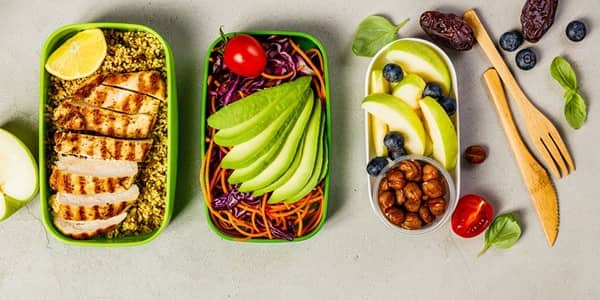
Iron-Packed Powerhouses
The backbone of any anemia-friendly menu is iron, especially the heme iron found in animal products. Lean cuts of beef or lamb, skinless dark-meat turkey, and oily fish like sardines or mackerel deliver the most readily absorbed form, so even small servings count. Vegetarians and vegans aren’t left out: kidney beans, lentils, chickpeas, tofu, pumpkin seeds, and dark leafy greens such as spinach or moringa supply non-heme iron.
Because this plant form competes for absorption spots in the gut, pair it with a vitamin C source—think a squeeze of lemon over sautéed kale or diced bell pepper stirred into lentil soup—to turn more of that iron into usable hemoglobin.
Boost Absorption With Vitamin C and Folate
Vitamin C doesn’t just fend off colds; it escorts iron across the intestinal lining. Colorful produce like oranges, guavas, strawberries, papayas, and yellow bell peppers can increase iron uptake by up to sixfold when eaten in the same meal. Folate (vitamin B-9) is another unsung hero, essential for producing the DNA that new red blood cells need to mature.
Load your plate with avocado, asparagus, black-eyed peas, and fortified whole-grain cereals. If you’re relying on supplements, take them with a citrus-rich snack instead of coffee or milk to sidestep absorption conflicts.
Limit Iron Blockers
Some perfectly healthy foods can interfere with iron, so timing is everything. Large glasses of milk, calcium supplements, or cheesy dishes bind to iron and shove it out of the absorption lane; keep dairy two hours away from iron-heavy meals. Whole grains and legumes contain phytates, which latch onto minerals, so soak, sprout, or slow-cook them to break down these natural inhibitors.
Black tea, green tea, and coffee are loaded with tannins that lock up iron; enjoy them between meals rather than alongside your steak or lentil stew. Finally, watch high-dose zinc or magnesium supplements, which compete for the same transport channels in your digestive tract.
Smart Daily Habits to Keep You Energized
Consistency beats occasional bursts of effort, so scatter iron and helper nutrients evenly throughout the day. Start breakfast with iron-fortified oatmeal topped with kiwi slices, pack a lunch of turkey-spinach wraps with roasted red-pepper dip, and snack on a handful of toasted pumpkin seeds.
For a midmorning boost, sip a cold-pressed juice made with orange, beet, and ginger to flood your bloodstream with vitamin C, nitrates, and anti-inflammatory compounds without the crash of sugary sodas. Planning on a workout? Combine a small serving of hummus with bell-pepper strips an hour before exercise—steady energy and better oxygen delivery in one punch.
Conclusion
Anemia management isn’t about rigid food rules—it’s about strategic choices that stack the odds in favor of better oxygen flow, clearer thinking, and a steadier mood. Center every meal on iron-dense staples, recruit vitamin C and folate to amplify absorption, and schedule potential iron blockers so they don’t derail your progress. Small, mindful adjustments compound over weeks, helping you swap lingering exhaustion for the vibrant energy you deserve.