

Getting a two-wheeler approved through financing often feels like the easiest part of the purchase journey. A quick Equated Monthly Instalment (EMI) quote, a few documents, and the vehicle is almost yours. But what many buyers realise later is that the real story is not in the approval, it is in the details hidden inside the loan structure.
Two offers that look similar on the surface can behave very differently once repayment begins, and the difference is not always obvious at first glance. That is where most financial surprises tend to come from when you apply for a two-wheeler loan, not the decision itself, but the overlooked conditions attached to it.
Let’s understand the factors to look for before applying for a two-wheeler loan.
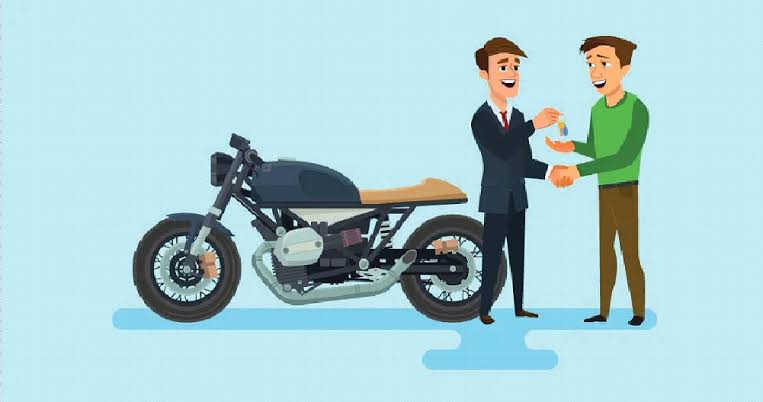
Key Checks Before You Finalise a Two-wheeler Loan Application
Here is a quick overview of the most important aspects that influence your loan approval, repayment comfort, and overall borrowing cost.
1. Interest Rate Structure and Total Repayment Cost
The interest rate is one of the most critical factors that determine the overall cost of borrowing. Before you apply for a two-wheeler loan, it is important to understand how the interest is calculated rather than just looking at the percentage offered.
In a flat-rate system, interest is calculated on the basis of the entire loan amount for the full tenure. This often results in a higher effective cost even if the EMI appears stable.
The reducing balance system, interest is charged only on the outstanding principal, which gradually decreases as you repay, making it more cost-efficient in the long run.
2. Loan Tenure and Repayment Comfort Level
Loan tenure defines how long you will continue paying EMIs, and it has a direct impact on both monthly comfort and total interest paid. A longer tenure spreads the repayment over more months, reducing EMI pressure and making it easier to manage monthly expenses.
However, this also increases the total interest outgo because the loan remains active for a longer period. A shorter tenure increases EMI amounts, which may feel heavier on a monthly basis, but it significantly reduces the overall interest burden and helps you become debt-free sooner.
When you apply for a two-wheeler loan, it is important to evaluate your monthly income stability, future financial commitments, and emergency buffer before deciding on tenure.
3. Down Payment Requirement and Initial Cost Planning
The down payment is the portion of the vehicle cost you pay upfront before the loan is disbursed. It directly reduces the loan amount and has a long-term impact on repayment cost.
A higher down payment means you borrow less, which reduces both EMI size and total interest paid over time. Some lenders offer high financing percentages, but opting for maximum financing can increase your repayment burden.
Before you apply for a two-wheeler loan, it is useful to evaluate how much you can comfortably pay upfront without affecting your savings.
4. Credit Score and Approval Possibility
Your credit score reflects on your past borrowing and repayment behaviour, and it plays a key role in determining loan approval and interest rate. A strong credit score indicates financial discipline and reduces lenders’ perceived risk, often resulting in quicker approvals and more favourable interest rates.
A lower credit score may still allow loan approval, but it usually comes with higher interest rates or stricter repayment conditions.
When you apply for a two-wheeler loan, lenders also review your credit history to assess overdue payments, existing debts, and overall credit utilisation.
5. Processing Fees and Additional Charges
Apart from interest rates, there are several additional costs that contribute to the total loan expense. Processing fees are charged for handling your application, documentation charges cover administrative work, and late payment penalties apply if EMIs are missed or delayed.
These charges may appear small individually, but when combined over the loan tenure, they can significantly increase the overall repayment amount.
Before you apply for a two-wheeler loan, it is important to review the complete fee breakdown provided by the lender.
6. Prepayment Flexibility and Foreclosure Terms
Prepayment refers to paying off part of the loan before the scheduled date, while foreclosure means closing the loan entirely before the tenure ends. These options can help reduce interest costs if your financial situation improves.
However, some of the lenders charge penalties for early repayment, which may reduce the benefit of closing the loan ahead of schedule.
When you apply for a two-wheeler loan, it is important to check whether the lender allows flexible prepayment options without heavy charges.
7. Documentation Accuracy and Verification Process
Before you apply for a two-wheeler loan, it is important to keep all required documents ready and ensure the information provided is accurate and up to date.
Lenders commonly ask for documents such as Aadhaar Card, PAN Card, Driving License, salary slips, bank statements, and the latest electricity bill for verification.
Any mismatch, incomplete paperwork, or incorrect details can delay verification and affect the loan approval process. Keeping all documents organised in advance can help make the application smoother and reduce unnecessary delays.
Take a Smarter Step Before You Apply for a Two-wheeler Loan
Before you apply for a two-wheeler loan, taking time to evaluate every component of the loan structure can make a difference to your financial comfort. Interest calculation methods, repayment tenure, credit score, fees, and flexibility terms all combine to define the true cost of borrowing. A careful comparison helps you avoid hidden expenses and ensures that repayments remain predictable and manageable.
Trusted two-wheeler loan providers, such as Muthoot FinCorp, offer structured financing options designed to suit different income levels and repayment preferences. This helps you choose a plan that supports long-term financial stability with greater confidence.
Explore the right two-wheeler loan options today and make a smarter borrowing decision.