
Anchor is a well-known electrical brand in India, offering products such as switches, sockets, wires, circuit protection devices, and other electrical accessories. However, counterfeit or misrepresented electrical products can pose serious risks, including overheating, electric shocks, short circuits, and fire hazards.
Whether you are purchasing Anchor switches for your home, wiring for a renovation, or electrical accessories for a commercial property, verifying product authenticity is essential. Checking the packaging, product markings, model details, seller credentials, and purchase documentation can help you make a safer decision.
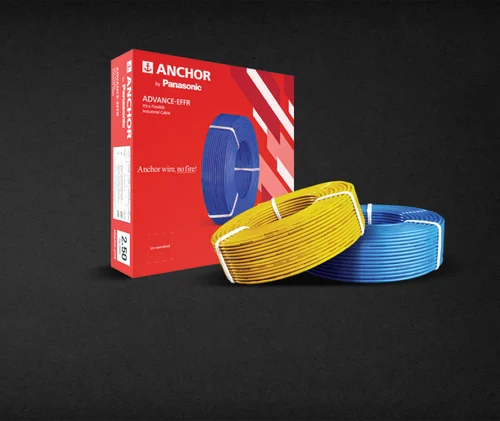
Check the Anchor Logo and Packaging
The first step is to examine the product’s branding and packaging. Anchor products sold under the Anchor by Panasonic brand should have branding and product information consistent with the specific product range.
Look for the following details:
- Correct spelling of the brand name.
- Clear, properly printed logos and labels.
- Product name, model number, or relevant identification details.
- Manufacturer or marketer information, as applicable.
- Packaging that is intact and free from obvious tampering.
Compare the product with information available through the official Panasonic India website, which provides information about Panasonic and its product offerings.
Be cautious if the logo appears distorted, the packaging contains spelling mistakes, or the product label looks altered. However, packaging alone cannot establish authenticity because counterfeit manufacturers may reproduce genuine branding.
Verify the Model Number and Product Specifications
Different Anchor electrical products have different model numbers, ratings, dimensions, and technical specifications. Checking these details can help you identify inconsistencies.
Depending on the product, inspect the following information:
- Model or product code.
- Rated voltage and current.
- Applicable electrical ratings.
- Product dimensions and design.
- Technical markings and certification details, where required.
Compare these specifications with official product documentation or information provided by an authorized dealer.
For example, a switch or socket should have ratings appropriate to its intended application. If the printed specifications differ from those advertised for the model, ask the seller or manufacturer to clarify the discrepancy.
Do not assume that a product is genuine simply because its model number matches an official listing. Counterfeit products can copy legitimate identification details.
Check Applicable ISI and BIS Markings
Electrical products must meet applicable Indian safety and quality requirements. Depending on the product category, relevant standards or certification requirements may apply.
Where an ISI mark or other mandatory certification is required, examine the marking and associated identification details. You can consult the official Bureau of Indian Standards (BIS) website to learn about applicable standards and certification verification.
Do not assume that every Anchor product must display the same certification mark. Requirements depend on the product type and applicable regulations.
A printed certification symbol alone is not proof of authenticity because markings can be copied. Verify relevant certification details through official channels when necessary.
Inspect the Product’s Build Quality
Original electrical products should have construction consistent with their intended design and technical specifications. However, appearance varies across product ranges, so compare like-for-like models.
For switches and sockets, look for consistent finishing, properly fitted components, and clear markings. For wires and cables, examine the packaging, stated conductor specifications, and insulation information.
Warning signs may include:
- Rough finishing or poorly assembled components.
- Loose or damaged parts.
- Unclear technical markings.
- Inconsistent product dimensions or design.
- Packaging that appears resealed or altered.
Never open an electrical product, dismantle wiring, or test a questionable component on a live electrical supply just to check authenticity. If a product looks unsafe, do not install it.
Buy From Authorized Dealers
Purchasing from a reputable, authorized seller is one of the most effective ways to reduce the risk of counterfeit electrical products.
Before purchasing, ask for a proper invoice and verify that the seller can provide product documentation and applicable warranty information.
Be cautious of unusually low prices, sellers who refuse to issue invoices, and products offered without clear identification or packaging.
Discounts do not automatically mean a product is fake, but a suspiciously low price combined with other warning signs deserves further investigation.
Verify Warranty and Contact Panasonic
Warranty information can provide additional supporting evidence when checking an Anchor product. Review the warranty terms applicable to the particular product and retain your purchase invoice.
If the model number, packaging, certification markings, or seller information raises concerns, contact Panasonic through its official website or customer support channels. Share clear photographs, product details, and purchase documentation to request assistance.
Do not rely on a warranty card alone, as documentation can also be copied.
Final Thoughts
Checking original Anchor electrical products involves more than inspecting a logo or barcode. Verify product specifications, examine applicable certification markings, assess packaging quality, and purchase from reliable sellers. Because counterfeit electrical components can create serious safety hazards, avoid installing products whose authenticity or condition is questionable. When in doubt, seek confirmation from Panasonic or an authorized dealer before use.
Frequently Asked Questions (FAQs)
Q. How can I check whether Anchor electrical products are original?
Check the logo, model number, technical specifications, packaging, applicable certification markings, and seller credentials. Contact Panasonic for further verification if necessary.
Q. Can I identify original Anchor products using a barcode?
A barcode may help identify a product, but it cannot independently prove authenticity because counterfeit manufacturers can copy genuine codes.
Q. Do all Anchor electrical products carry an ISI mark?
Not necessarily. Certification requirements depend on the product category and applicable regulations. Check the relevant BIS requirements for the specific product.
Q. Are cheap Anchor electrical products always fake?
No. Genuine products may be discounted. However, unusually low prices combined with poor packaging, missing documentation, or an unreliable seller should raise concerns.
Q. What should I do if I suspect an Anchor product is counterfeit?
Do not install or use a suspicious electrical product. Keep the invoice and packaging, take photographs, and contact Panasonic or the appropriate authorities for assistance.