
A good-quality helmet is essential for protecting your head while riding a motorcycle or scooter. Branded helmets are designed to meet specific safety requirements, but counterfeit products can imitate the appearance of genuine helmets while offering uncertain levels of protection. Buying a fake helmet can put your safety at risk, even when it looks identical to a trusted brand.
Whether you are purchasing a helmet from a shop or an online marketplace, checking its certification, labels, construction, and seller credentials can help you make a safer choice.
Check the Brand Logo and Packaging
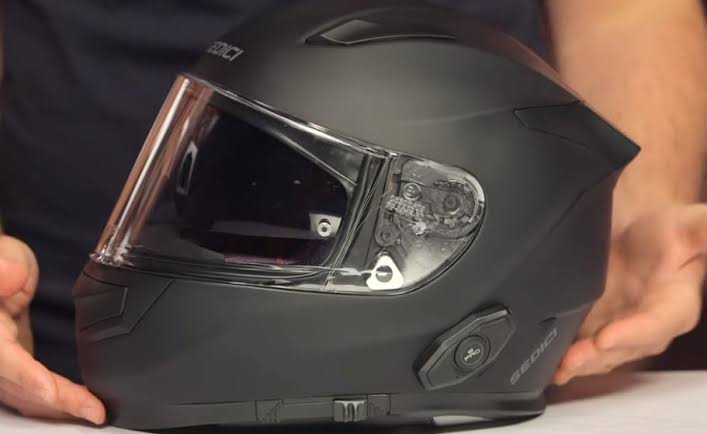
The first step is to inspect the helmet’s branding and packaging. Genuine helmets from established manufacturers should have branding consistent with the particular model.
Look for:
- Correct spelling of the brand name.
- Clear, properly applied logos.
- Consistent model names and product information.
- Packaging that matches the advertised helmet.
- Manufacturer or importer details, where applicable.
Compare your helmet with photographs and specifications published on the brand’s official website.
Be cautious if the logo appears poorly printed, the label contains spelling mistakes, or the seller cannot explain where the product came from. However, packaging and logos can be copied, so they should never be the only basis for deciding whether a helmet is genuine.
Check the Safety Certification Mark
Safety certification is one of the most important checks when purchasing a helmet in India.
Look for the applicable ISI mark and relevant BIS certification details on helmets represented as compliant with Indian requirements. The Bureau of Indian Standards (BIS) establishes standards and operates certification systems for products covered by its regulations.
Check the certification details against official information available through the Bureau of Indian Standards website.
Do not assume that a printed ISI mark automatically proves authenticity. Counterfeit manufacturers may reproduce certification symbols or copy identification numbers. Where possible, verify the manufacturer’s details and applicable licence information through official BIS resources.
Helmets intended for other markets may carry different safety certifications, such as ECE certification. Check which standards apply to the helmet and the market where you intend to use it.
Examine the Manufacturing Label
Genuine helmets should carry product identification and safety information appropriate to their model and market.
Inspect the labels for details such as:
- Manufacturer or importer information.
- Model or product identification.
- Size and applicable safety standard.
- Manufacturing date or other required traceability details.
- Certification markings, where applicable.
The exact label format varies by manufacturer and certification system. Compare the details with the official documentation for that helmet.
Be cautious if labels appear tampered with, information is missing, or the product details conflict with the manufacturer’s published specifications.
Inspect the Shell, Lining, and Strap
Physical construction can provide useful warning signs. Examine the helmet carefully for cracks, loose components, poor finishing, or signs of previous damage.
Check the following features:
- Outer shell: Look for cracks, deformation, or visible damage.
- Inner liner: The protective energy-absorbing liner should be properly fitted and consistent with the helmet’s design.
- Chin strap: Check that the strap and fastening mechanism work correctly.
- Padding: Interior padding should be fitted securely and should not appear poorly assembled.
- Visor: Check that it attaches properly and moves as intended.
Do not dismantle the helmet or attempt an impact test to determine whether it is genuine. A helmet can look well made yet fail to provide adequate protection. Physical inspection supports, but does not replace, certification verification.
Verify the Model and Serial Information
Check the helmet’s model name and any available product or batch identification numbers. Compare them with the brand’s official catalogue or ask an authorised dealer to confirm the details.
If the manufacturer offers an authentication or product-registration service, follow its official instructions.
A matching model number or barcode is not conclusive proof of authenticity because counterfeit sellers may copy genuine information. Use these details alongside certification checks and seller verification.
Buy From an Authorised Dealer
Purchasing from the brand’s official store or an authorised retailer is one of the best ways to reduce the risk of buying a counterfeit helmet.
Before paying, request an invoice and confirm that the helmet is intended for your market and meets the applicable safety requirements.
Be cautious about unusually low prices, sellers who refuse to provide invoices, or products advertised with vague claims such as “premium quality” without verifiable certification details.
A discount alone does not prove that a helmet is fake, but suspicious pricing combined with missing certification information deserves further investigation.
Final Thoughts
Checking an original branded helmet involves more than inspecting its logo or price. Verify applicable safety certification, examine the product labels, inspect the construction, and buy from a reliable seller. Since a helmet is safety equipment, never compromise on verified protection to save money. When in doubt, seek confirmation from the manufacturer or relevant certification authority before using it.
Frequently Asked Questions (FAQs)
Q. How can I check whether a branded helmet is original?
Check the brand, model details, certification markings, manufacturing labels, construction, and seller credentials. Verify relevant certification information through official sources.
Q. Is an ISI mark enough to prove that a helmet is original?
No. Certification markings can be copied. Where applicable, verify the associated licence details through official BIS resources.
Q. Can I identify a fake helmet by its weight?
Weight alone is not a reliable authenticity test. Different helmet designs and materials have different weights, and a heavy helmet is not necessarily safer.
Q. Are expensive helmets always original?
No. Price does not guarantee authenticity or safety. Buy from trusted sellers and verify the helmet’s certification and model information.
Q. What should I do if I suspect my helmet is fake?
Do not rely on it for protection until its authenticity and safety credentials are clarified. Keep the invoice and packaging, photograph the labels, and contact the manufacturer or relevant certification authority.